Revolutionizing Agriculture with Advanced 3D Printing Technologies
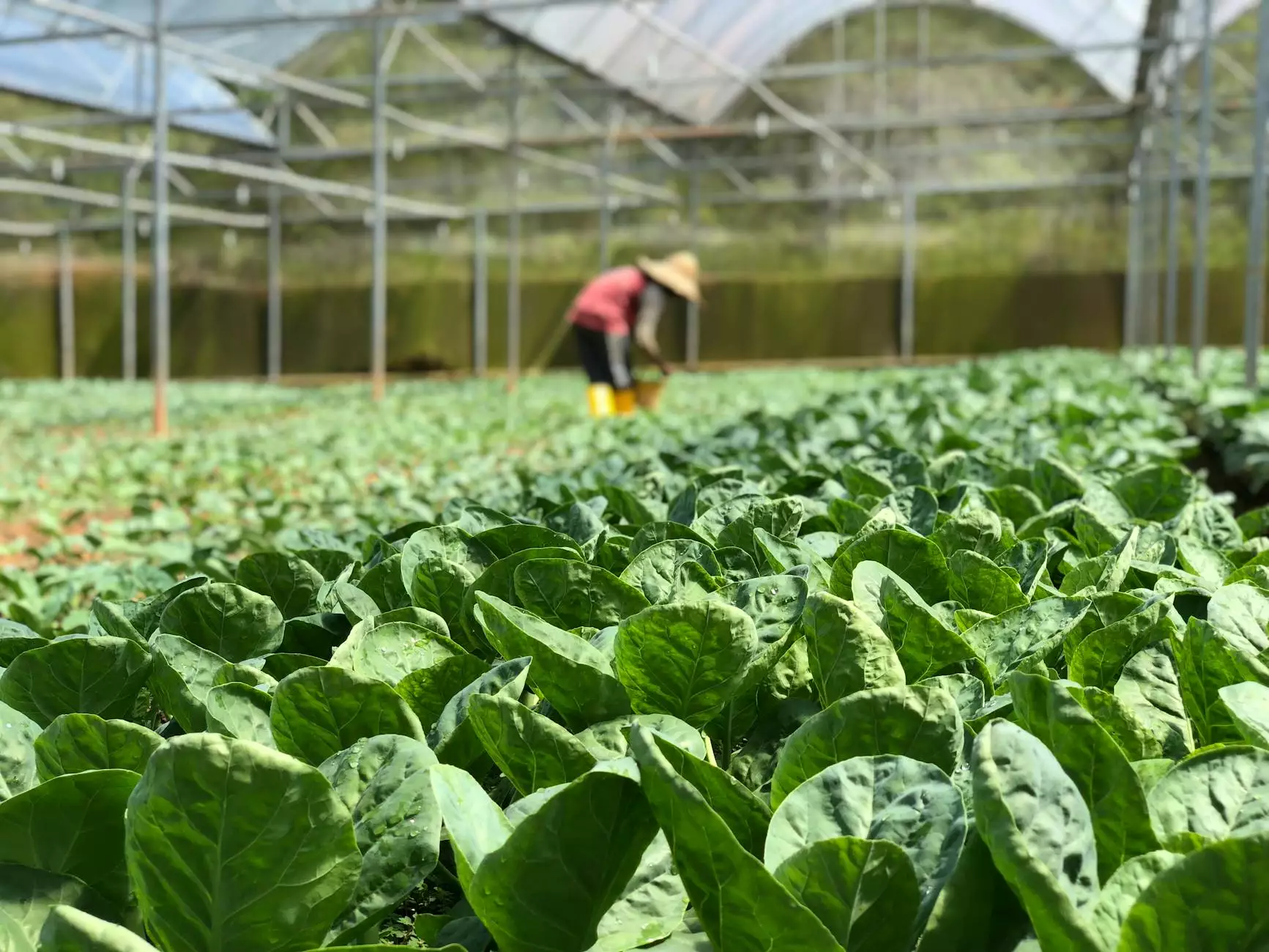
In recent years, the agricultural industry has experienced a significant transformation driven by technological innovations. Among these, 3D printing stands out as a game-changer, offering unprecedented opportunities for customization, efficiency, and sustainability. As a cutting-edge solution, 3d printing in agriculture is opening new pathways for farmers, researchers, and agribusinesses to optimize productivity, reduce costs, and promote eco-friendly practices.
Understanding 3D Printing in Agriculture
3D printing in agriculture refers to the use of additive manufacturing techniques to produce customized tools, spare parts, agricultural components, and even complex structures tailored specifically to the needs of modern farming methods. This technology involves layer-by-layer construction of physical objects from digital models, allowing for rapid prototyping, on-demand manufacturing, and innovative design solutions.
Unlike traditional manufacturing that relies on subtractive or formative processes, 3D printing offers a flexible, cost-effective, and environmentally friendly approach to producing agricultural equipment and components. This approach reduces waste, shortens supply chains, and enables highly localized production, which is especially beneficial in remote or underserved regions.
Key Applications of 3D Printing in Agriculture
The integration of 3d printing into agriculture spans a wide array of applications, each addressing specific needs within the sector. Here, we explore the most impactful uses that are revolutionizing how farming is conducted:
- Production of Custom Agricultural Tools: Farmers can now design and print tools tailored to unique crop types or soil conditions, improving precision and efficiency.
- Replacement Parts for Machinery: On-demand printing of spare parts reduces downtime and inventory costs, especially in remote farms where access to parts can be limited.
- Development of Sensors and Monitoring Devices: 3D printing enables the creation of bespoke sensors for soil moisture, nutrient levels, and weather conditions, facilitating data-driven farming.
- Design and Prototyping of Agricultural Structures: From irrigation systems to protective enclosures, rapid prototyping accelerates innovation in farm infrastructure.
- Bioprinting of Agricultural Inputs: Emerging techniques involve printing plant tissues or soil amendments, paving the way for advanced fertilization and crop management.
Advantages of 3D Printing in Agriculture
The adoption of 3d printing in agriculture brings multiple benefits that align with the industry’s goals of increased productivity, sustainability, and cost efficiency:
- Customization and Flexibility: Tailor-made solutions can be rapidly developed to meet specific farm or crop requirements.
- Cost Reduction: Eliminating the need for large inventories of spare parts and reducing waste material lowers operational costs significantly.
- Rapid Prototyping and Innovation: Accelerate product development cycles, enabling quicker testing and deployment of new tools and equipment.
- Sustainability and Waste Reduction: Additive manufacturing produces minimal waste compared to traditional methods, aligning with eco-friendly farming practices.
- Accessibility: Localized manufacturing reduces dependency on distant suppliers, empowering smallholder farmers and startups.
Challenges and Considerations for Implementing 3D Printing in Agriculture
While 3d printing offers numerous advantages, integrating this technology into agricultural operations requires careful consideration of several challenges:
- Material Compatibility: Developing durable, weather-resistant, and environmentally safe materials suitable for outdoor use remains an ongoing research area.
- Cost of Equipment: Initial investment in 3D printers and related hardware can be substantial, especially for larger-scale farm operations.
- Technical Skills: Operating and maintaining advanced 3D printing systems necessitates specialized training and expertise.
- Scalability: While ideal for prototyping and specialized parts, scaling 3D printing for mass production in agriculture poses logistical challenges.
- Regulatory and Safety Standards: Ensuring printed components meet safety and environmental regulations is essential for widespread adoption.
Future Trends in 3D Printing for Agriculture
The trajectory of 3d printing in agriculture indicates a future rich with innovation, driven by technological advancements and increased sustainability demands:
- Bioprinting and Precision Agriculture: Advanced bioprinting techniques could enable the production of plant tissues, roots, and even customized soil microbes to enhance crop resilience.
- Integration with IoT and AI: Combining 3D printing with Internet of Things (IoT) devices and artificial intelligence will facilitate smart manufacturing and real-time customization of tools and components.
- Development of Biodegradable Materials: Emphasis on environmentally friendly materials will further reduce ecological impacts of printed parts and structures.
- Decentralized Manufacturing: Distributed 3D printing hubs might become commonplace, offering localized, quick solutions tailored to specific farm conditions.
- Enhanced Sustainability Measures: 3D printing will play a pivotal role in designing sustainable irrigation systems, biodegradable mulch, and eco-friendly pest control devices.
How 3dprintwig.com is Leading the Way in 3D Printing for Agriculture
As a pioneer in 3D printing solutions for various industries, 3dprintwig.com is committed to advancing 3d printing in agriculture with innovative, tailored services. Our expertise covers:
- Designing custom agricultural tools and components that meet specific farm needs.
- Providing high-quality prototyping services that accelerate product development cycles for agritech startups.
- Offering materials suited for outdoor environments, ensuring durability and longevity of printed parts.
- Developing training modules to empower farmers and technicians in adopting 3D printing technologies.
- Collaborating with industry partners to create sustainable, eco-friendly 3D printing materials and solutions.
Conclusion: The Future of Agriculture is 3D Printed
The fusion of 3D printing technology with agriculture heralds a new era of innovation, sustainability, and efficiency. By embracing this transformative approach, farmers and agribusinesses can address common challenges such as resource scarcity, supply chain disruptions, and environmental concerns with creative, cost-effective solutions. As technology continues to evolve, the potential applications of 3d printing in agriculture will expand, fostering a future where farms are more productive, resilient, and sustainable than ever before.
Companies like 3dprintwig.com are at the forefront, providing the tools, expertise, and innovations necessary to harness the full power of 3D printing in the agricultural sector. Investing in this technology today paves the way for smarter, greener, and more efficient farming practices that will benefit generations to come.


